

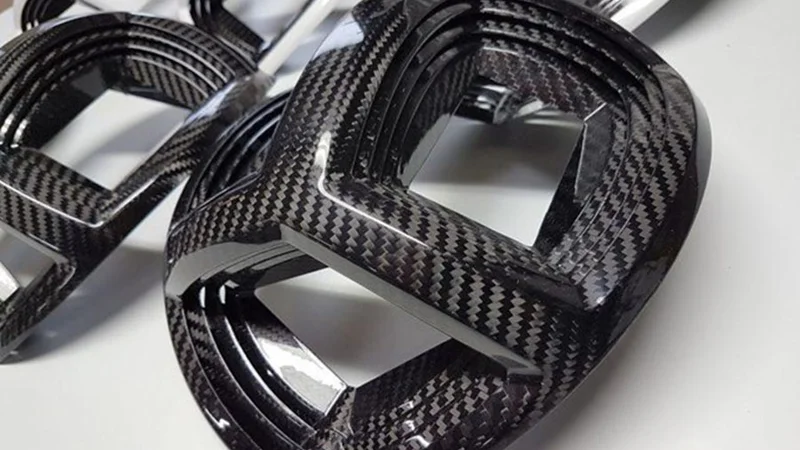
Automotive customization often involves decisions that go beyond appearance. Drivers, restoration specialists, and performance enthusiasts must consider weight, durability, flexibility, cost, and the purpose of each component. Advanced composites have become increasingly popular because they offer alternatives to conventional metal parts and allow manufacturers to develop distinctive shapes for different applications.
Understanding the differences between composite materials helps buyers make better decisions before investing in an upgrade.
What Makes Composite Materials Different?
A composite combines two or more materials to achieve properties that may be difficult to obtain from one material alone. In automotive applications, the reinforcement provides much of the structural strength, while the surrounding resin holds the material together and helps determine its final characteristics.
Carbon fiber composites are known for their stiffness and high strength-to-weight ratio. Kevlar, a type of aramid fiber, is recognized for its toughness and resistance to certain forms of impact and abrasion. Both materials can be useful, but neither is automatically the best choice for every vehicle component.
The intended application matters more than the material’s reputation. A decorative trim panel, a structural reinforcement, and a component exposed to repeated impacts have different requirements.
Understanding Carbon Fiber
Carbon fiber is manufactured from extremely thin carbon-based filaments that are arranged into bundles and woven or oriented in specific directions. These fibers are combined with resin to create a rigid composite.
The resulting material is popular in automotive styling because it can provide a distinctive woven finish while keeping weight relatively low compared with some traditional materials.
Advantages of carbon fiber
Carbon fiber composites can provide excellent stiffness for their weight. This characteristic makes them useful in applications where limiting flex is important. They can also be moulded into complex shapes, giving designers more freedom when developing aerodynamic or decorative components.
The material’s appearance is another attraction. Visible carbon weave can create a technical, motorsport-inspired look that complements modern vehicle styling.
Important limitations
Carbon fiber is not indestructible. Its performance depends on fiber orientation, resin quality, laminate thickness, manufacturing conditions, and how forces are applied. Certain impacts can damage the material internally even when the outer surface appears relatively intact.
Repairing damaged composite components may also require specialist knowledge. Owners should therefore consider serviceability and replacement costs before choosing a part.
Understanding Kevlar and Aramid Composites
Kevlar belongs to the aramid family of synthetic fibers. Aramid reinforcement is often selected for its toughness, energy absorption, and resistance to tearing or abrasion.
Unlike carbon fiber, which is commonly selected for stiffness, aramid fibers can be valuable when a design needs to tolerate particular impact conditions. Their usefulness depends on the complete composite structure rather than on the fiber alone.
Where aramid reinforcement can help
Aramid composites may be used in protective structures, selected automotive panels, and hybrid laminates. Combining aramid and carbon fiber can allow designers to balance stiffness with toughness, depending on the design and intended loading conditions.
However, hybrid construction requires careful engineering. Simply combining two premium materials does not guarantee superior results.
Considerations for appearance and repair
Aramid fibers are not generally associated with the same dark, decorative weave that many people recognize in exposed carbon fiber. Finishing options depend on the manufacturing process and whether the reinforcement is visible.
Repair can also be more complicated because aramid fibers behave differently during cutting, sanding, and finishing. Professional assessment is advisable when a composite component has suffered significant damage.
Comparing Materials by Their Intended Function
The phrase kevlar vs carbon fiber often appears in discussions about performance upgrades, but the comparison should not be reduced to a single winner.
| Consideration | Carbon fiber | Kevlar or aramid |
| Common design priority | Stiffness and low weight | Toughness and impact-energy management |
| Surface appearance | Often features a dark woven pattern | Usually has a different fiber appearance |
| Typical use | Selected panels, trim, and performance components | Protective and impact-oriented applications |
| Manufacturing needs | Requires controlled composite processing | Also requires specialist processing |
| Best selection method | Match stiffness and structural requirements | Match toughness and impact requirements |
These are general tendencies rather than guarantees. Resin systems, laminate designs, fiber orientation, and manufacturing quality can change the performance of the finished part significantly.
How to Choose the Right Material for a Vehicle
Start by defining the component’s job. If the goal is a cosmetic upgrade, finish quality and accurate fitment may matter more than small differences in material performance. If the part will carry loads or experience impacts, documented engineering specifications become much more important.
Next, verify compatibility with the vehicle. Confirm the model, production year, mounting locations, and any related components that may affect installation.
Buyers should also ask about the construction method, warranty, repair options, and recommended maintenance. Reliable product information is more useful than broad claims that one material is always stronger or better than another.
Finally, consider the total cost. The purchase price is only one part of the decision. Installation, finishing, maintenance, and potential replacement should all be included in the budget.
Installation and Long-Term Care
Composite components should be installed according to their manufacturer’s instructions. Mounting holes, bonded joints, and attachment points require particular attention because damage can occur when a part is forced into place.
After installation, inspect the component periodically for cracks, loose hardware, unusual movement, or surface deterioration. Any suspected structural damage should be assessed by a qualified professional rather than hidden with cosmetic repairs.
Cleaning products should also be compatible with the component’s finish. Harsh abrasives and unsuitable chemicals may damage the protective surface or affect its appearance.
Frequently Asked Questions
1. Is carbon fiber always stronger than Kevlar?
No. Strength depends on the type of loading, fiber direction, resin, laminate construction, and component design. Carbon fiber often provides high stiffness, while aramid fibers can offer useful toughness and impact resistance.
2. Can carbon fiber and Kevlar be used together?
Yes. Hybrid composites can combine characteristics of different reinforcement fibers. Their performance depends on engineering, material placement, and manufacturing quality.
3. Which material is better for automotive customization?
Neither material is universally better. The best choice depends on whether the priority is appearance, stiffness, impact resistance, weight, cost, or serviceability.
Conclusion
Carbon fiber and Kevlar composites provide different advantages for automotive design. Understanding their characteristics helps buyers select components that suit the intended application rather than relying on marketing claims. By comparing construction quality, fitment, maintenance requirements, and verified specifications, vehicle owners can make informed decisions that balance performance goals, appearance, and long-term value.