
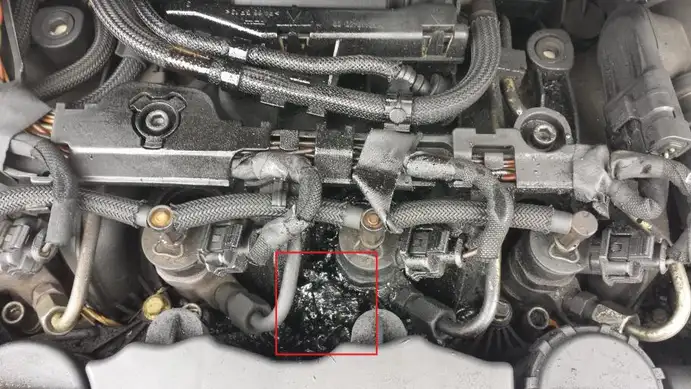
A diesel engine can sound healthy in the morning and still be hiding a dirty leak under its plastic cover. In a Peugeot 508, injector seal failure often starts as a faint chuffing noise, a hot exhaust smell, or sticky black residue near one injector before it turns into oil trouble. That early stage is where owners have a choice: catch the leak while it is still a seal-and-seat repair, or wait until the mess reaches the oil, the turbo, and the wallet. For U.S. drivers dealing with a rare imported Peugeot, the harder part is not knowing what to look for; it is finding a shop that treats the problem like a diesel sealing issue, not a random oil leak. A smart European diesel repair guide can help owners think through symptoms before the car is already on a flatbed. The key is simple. If you smell fumes, hear puffing near the top of the engine, or see black carbon buildup around the injector wells, do not keep driving as if it will burn off.
Why the Leak Starts Before the Warning Lights Arrive
Modern diesel engines do not give clear warnings for every mechanical leak. A Peugeot 508 diesel may run with no dash warning while one injector is no longer seated cleanly against the cylinder head. That is the trap. The engine computer can still adjust fueling, the car can still pull onto the highway, and the owner can still convince himself the smell is coming from somewhere outside. The real story is happening under the cover, where heat, pressure, and a tiny sealing washer are fighting each other.
The copper washer is small, but the pressure is not
The injector seal sits at the point where the injector enters the combustion chamber. It has a plain job: keep combustion pressure inside the cylinder. When that seal stops doing its job, hot gas escapes upward around the injector body. It does not always look dramatic on day one. You may hear a soft puff-puff noise at idle, almost like a tiny exhaust leak tucked under the engine cover.
That sound matters more than many owners think. Combustion gas is not clean air. It carries soot, heat, and fuel residue. As it escapes, it bakes into tar-like deposits around the injector base. This is why black carbon buildup often looks wet, sticky, and crusted at the same time. It is not ordinary dust from the road.
A non-obvious detail: the car can feel better after it warms up, which fools people. Metal expands with heat, and a weak seal may sound quieter once the engine is hot. That does not mean the leak is healing. It means the engine is masking the clue for a while.
There is another trap in the way diesel engines age. A high-mileage engine already has more mechanical noise, so a new chuff can blend into the usual clatter. Owners who bought the car used may not know what normal ever sounded like. That makes a cold-start video, taken before trouble begins, more useful than it sounds.
Why the smell often beats the scanner
The first honest warning is often your nose. A diesel injector leak can push exhaust odor into the engine bay, where the cabin fan may pull it toward the windshield vents. The smell is sharp, hot, and oily. It may show up at stoplights, in a drive-through lane, or after parking in a garage.
A scan tool may show nothing useful at this stage. That surprises owners who expect a code for every fault. The computer can see rail pressure, airflow, and misfire patterns, but it cannot always see combustion gas escaping around a washer. A good mechanic listens before plugging in the laptop.
Think of a 508 owner in Ohio who buys a used diesel from a private seller. The car drives fine on the test drive. Two days later, after a longer commute, the cabin smells like exhaust at idle. No warning light. No limp mode. Under the cover, one injector well is starting to collect black carbon buildup. The owner who checks early pays for a targeted repair. The owner who waits may later pay for seized injector removal.
A shop should also ask when the smell appears. Fumes after a cold start can point toward sealing trouble. Fumes only after a hard highway pull may point toward heat opening a leak that sounded minor at idle. That timing is not trivia. It helps separate an injector seating problem from a split hose, valve cover seep, or exhaust flex leak.
How Injector Seal Failure Sends Combustion Mess Into the Oil
The ugly part is not the seal alone. It is what the leak starts changing around it. Escaping combustion gas can bake deposits onto the injector, damage the seat, and contaminate the top of the engine. From there, the problem can creep into service decisions, oil condition, and turbo health. That is why a small washer can become a big repair on a high-mileage Peugeot 508 diesel.
Why black carbon buildup is more than dirt
The black crust around a leaking injector is often called “black death” in diesel shops. The name sounds dramatic, but the concern is practical. The buildup traps heat, grips the injector body, and can hide the exact leak point. Once it hardens, the injector may not come out cleanly.
This is where rushed repair causes harm. A mechanic who tries to yank the injector out without softening and clearing the carbon can damage wiring, fuel lines, or the injector itself. Worse, debris can fall into places it should never reach. A calm cleaning process can save parts that a rushed job ruins.
Here is the counterintuitive part: a cleaner-looking engine bay is not always safer. Some sellers wipe the top cover and visible surfaces before sale. The real evidence may sit below the plastic cover, around the injector clamp, or under a brittle foam liner. If you are inspecting a used 508, take the cover off and look at the injector wells, not the shiny parts people clean for photos.
Heavy carbon can also change the repair mood in the room. A simple estimate can turn into a warning about snapped hold-down bolts, cracked plastic fittings, or an injector that may fight removal. That is not always scare talk. It is the mechanic trying to explain that the visible mess is only the surface of the job.
How oil contamination threatens the turbo first
Oil contamination does not always mean coolant-colored sludge or fuel pouring into the crankcase. In this case, the concern is combustion residue, fuel mist, soot, and degraded oil quality from a leak that changes how the engine breathes and seals. The oil may darken fast, smell harsher than normal, or carry abrasive material after long neglect.
The turbo cares about oil quality before many other parts do. Its shaft spins at high speed and depends on clean oil flow. Dirty oil can block small feed paths, starve bearings, or cook into hard deposits after shutdown. On PSA-family diesels, turbo complaints and injector sealing issues are often discussed together for that reason.
For American owners, this is also a parts problem. A turbo for a gray-market Peugeot may not be sitting at a local parts counter in Phoenix or Atlanta. Waiting two weeks for the correct part is bad. Learning that the root cause was a neglected seal is worse. This is why common diesel engine warning signs should be read as connected clues, not separate annoyances.
A useful move after repair is an early oil and filter change. Some shops do it right away, then repeat it after a short mileage interval if the leak was old. That small expense can remove leftover contamination and give the turbo a cleaner chance.
Oil analysis can help when the history is unknown. A lab report will not fix the car, but it can show fuel dilution, soot load, or wear metals that support a repair decision. That is helpful when you bought the vehicle recently and do not trust the service records. Paperwork can lie. Oil tells a colder story.
How to Diagnose a Peugeot 508 Diesel Without Guesswork
Diagnosis should start with the engine as a living machine, not a code list. The Peugeot 508 diesel needs careful visual checks, listening tests, and service-history review before anyone blames the injector itself. Many owners lose money because the words “bad injector” sound more serious than “bad seal,” so the repair path jumps straight to expensive parts.
What to check before blaming the injector
Start cold. Remove the top cover and inspect around each injector. Look for tar, wet soot, melted-looking deposits, broken acoustic foam, or staining that follows the injector body. Then start the engine and listen. A leaking seal can make a rhythmic chuff that rises with rpm.
Do not put your fingers near moving belts or hot metal. Use your eyes, ears, and a safe light. Some mechanics use a small piece of hose as a listening aid, holding one end near the suspected injector area and the other near the ear. A smoke-like wisp near the injector base is another strong clue.
Fuel trims, balance readings, and rail pressure data can help, but they do not replace inspection. A diesel injector leak may exist even when the injector sprays well. That distinction matters. Replacing a good injector while leaving a damaged seat in place means the new parts may leak again.
A practical example: the car has rough idle, a fuel smell, and black residue around cylinder three. The owner approves four new injectors because the shop says “injector problem.” A better plan would test return flow, inspect the seat, check clamp hardware, and confirm whether the injector is faulty or only unable to seal. That can change the bill by a wide margin.
Service history belongs in the diagnosis too. Recent injector work can be a clue, not proof of a cure. If the wrong washer was fitted, the seat was dirty, or the clamp bolt was reused against spec, the new repair may already be failing. Fresh invoices do not always mean fresh workmanship.
When a diesel injector leak needs a seat cut
The sealing washer can be replaced, but the metal seat in the head must be clean and flat. Escaping gas can erode the seat, leaving a track that lets the next washer leak. That is why some repairs fail after a few weeks. The seal was new, but the surface under it was not right.
A seat-cutting tool can restore the mating surface when used with care. This is not a place for heavy hands. Remove too much material and injector height can change. Leave carbon behind and the seal cannot crush evenly. The goal is a clean seat, correct washer, proper clamp condition, and correct torque method.
Clamp bolts deserve respect. Many diesel injectors use stretch-style fasteners or specific tightening steps. Reusing tired hardware can let the injector lift again under pressure. The repair may feel complete for a while, then the same smell returns.
For U.S. owners, finding a shop is half the job. A general repair place may be excellent with domestic pickups yet unfamiliar with Peugeot diesel layouts. Ask whether they have removed carbon-stuck injectors, cut injector seats, and sourced Peugeot or PSA diesel sealing parts before. If the answer is vague, keep looking.
The best shops do not promise magic. They explain the risk before removal, protect the open injector bore, clean the seat, and recheck after the engine heats up. That last step matters. A cold engine can look fixed while a hot engine still whispers fumes from the same area.
Repair Choices, Cost Logic, and Prevention for U.S. Owners
Once the leak is confirmed, the best repair is not always the most expensive one. It is the one that fixes the sealing path completely. That means cleaning, removing the injector safely, inspecting the injector and seat, fitting the correct washer, handling clamp hardware, and changing oil when contamination is suspected. Anything less is gambling with the same fault.
Why a cheap seal job can become expensive
A cheap quote often covers only the visible seal. It may not include carbon removal, seat cutting, new clamp hardware, leak testing, or oil service. That matters because the labor risk is not in the washer. It is in getting the injector out without breaking something and making the seat seal again.
If the injector is seized in carbon, extraction can take hours. Some injectors survive. Some do not. A shop should warn you about that before starting, not after the injector is already damaged. Clear communication is part of a sound repair.
There is also a false economy in delaying. A small chuffing noise in March can become a hard black mound by summer. Add heat from city traffic, short trips, and missed oil changes, and the job becomes harder. The non-obvious truth is that the cheapest moment to fix a diesel seal leak is often before it looks scary.
For a U.S. driver with a rare Peugeot, cost logic should include downtime. A domestic diesel truck owner may get parts in a day. A 508 owner may need imported washers, clamps, or injector parts. That delay can make early diagnosis worth more than the repair price alone. A used diesel inspection checklist can help buyers catch this before money changes hands.
Ask for the old parts back when possible. A crushed copper washer, carbon-coated injector body, or damaged clamp can confirm the repair story. You are not trying to police the shop. You are building a record for the next owner, the next mechanic, or your own memory six months later.
How to protect the engine after the repair
After the repair, the engine should be cleaned enough to spot any fresh leak. Do not leave old tar everywhere and call the job finished. A clean surface lets the shop recheck the work after a heat cycle. It also gives you a baseline for the next few weeks.
Change the oil and filter if there was clear oil contamination, heavy carbon, fuel odor, or long unknown driving with the leak. Use oil that meets the correct Peugeot engine specification, not whatever diesel oil is on sale. Modern emissions equipment and turbo bearings are picky about oil chemistry.
Fuel quality matters too. In the United States, on-road diesel is ultra-low sulfur diesel under EPA diesel fuel standards, but quality still varies by station turnover, storage, and contamination control. Buy from busy stations, keep up with fuel filter service, and do not pour random additives into the tank because a forum post sounded confident.
After 300 to 500 miles, inspect the injector area again. Sniff for exhaust odor after a hot idle. Listen cold. Check for fresh soot. This follow-up is simple, but many owners skip it because the car feels fixed. A good repair earns trust by staying clean.
Keep the next few oil changes boring and on time. That sounds plain, yet it is one of the better ways to protect a repaired diesel. Fresh oil will not fix a bad seal, but after the seal is fixed, it helps the turbo and timing components live in cleaner conditions.
Conclusion
A Peugeot 508 diesel can hide a sealing problem longer than most owners expect. The engine may start, pull, idle, and pass a quick scan while combustion gas is already escaping under the cover. That is what makes this fault so expensive when ignored. The smart move is to treat smell, chuffing, black residue, and fast oil contamination as connected signs rather than random annoyances. Injector seal failure is not a reason to panic, but it is a reason to stop guessing. Have the injector area inspected cold and hot, confirm whether the seat is damaged, and ask the shop how it plans to clean, cut, seal, and recheck the repair. For U.S. owners, the limited Peugeot parts and shop network make early action even more valuable. Catch it while it is still a controlled repair, change the oil when contamination is suspected, and keep proof of the work. Your engine will not reward delay. It will reward attention.
Frequently Asked Questions
What are the first signs of a leaking Peugeot 508 diesel injector seal?
A faint chuffing sound, exhaust smell at idle, and black sticky residue near the injector are common early clues. The engine may still drive well, so do not wait for a warning light before checking under the top cover.
Can a Peugeot 508 diesel injector leak damage the turbo?
Yes, long neglect can harm the turbo if dirty oil, soot, or fuel residue affects oil quality and flow. The turbo depends on clean oil, so an oil and filter change after repair is often smart.
Is black carbon around a diesel injector always serious?
Fresh light staining may be caught early, but thick tar-like carbon means hot combustion gas has been escaping for some time. The longer it hardens, the harder injector removal becomes.
Can I keep driving with a chuffing noise from the injector area?
Short local movement to a repair shop may be reasonable, but daily driving is risky. Heat and pressure can enlarge the leak, build more carbon, and raise the chance of seat damage or stuck injectors.
Does replacing the copper washer always fix the leak?
No. The injector seat may be eroded or dirty. If the seat is not cleaned or lightly cut when needed, the new washer may fail to seal and the same symptoms can return.
How should a shop diagnose this problem?
A good shop removes the cover, inspects each injector well, listens cold and hot, checks for soot or fumes, reviews oil condition, and tests injector performance before selling expensive parts.
Why is this issue harder for Peugeot owners in the USA?
Peugeot diesels are uncommon in the American repair market, so parts and experienced shops can be harder to find. That makes early diagnosis useful because a small repair can become a long wait.
Should I change the oil after repairing a leaking diesel injector seal?
Yes, if the leak was old, messy, or linked to fuel smell and darkened oil. Fresh oil and a new filter help remove leftover contamination and protect turbo bearings after the seal repair.