

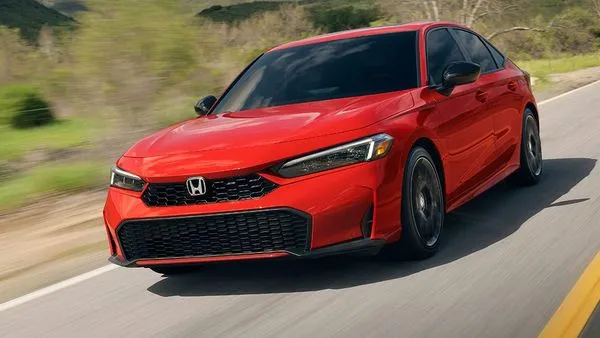
Honda vehicles appeal to a broad range of drivers, from people who prioritize everyday practicality to enthusiasts who enjoy customizing their cars. Exterior upgrades offer an opportunity to personalize a vehicle while retaining the characteristics that make it useful and enjoyable to drive.
The best customization projects begin with a clear objective. Some owners prefer subtle styling that resembles a factory option, while others want a more distinctive appearance inspired by motorsport. In either case, compatibility, material quality, and installation should guide purchasing decisions.
Understanding Your Vehicle Before Modifying It
Honda produces vehicles in different body styles and configurations, and parts are not universally interchangeable across the range. Even versions of the same model may differ in bumper design, mounting points, sensors, and trim details.
Before shopping for accessories, identify the exact model, model year, and trim level. This information helps narrow the selection and reduces the risk of ordering parts that require unexpected modifications.
Establishing a Styling Direction
A coherent exterior design usually looks more refined than a collection of unrelated accessories. Decide whether the vehicle will have a clean factory-inspired appearance, a sporty street style, or a more aggressive custom theme.
A factory-inspired build may focus on subtle trim, a modest rear spoiler, and complementary mirror covers. A sportier design might include a front lip, side skirts, and coordinated rear styling.
Choose a few priorities before purchasing parts. This approach can make the project easier to budget and help preserve the vehicle’s original proportions.
Exploring Material Options
Automotive accessories are available in several materials, each with different benefits and limitations.
ABS plastic is widely used for molded parts because it supports detailed shapes and different finishes. Fiberglass is suitable for custom forms but may require additional preparation. Polyurethane can offer flexibility for certain exterior applications. Carbon fiber composites are valued for their appearance and potential weight-saving characteristics.
What Carbon Fiber Offers
Carbon fiber composites consist of reinforcing fibers combined with a resin system. Their properties depend on the construction method, fiber orientation, thickness, and manufacturing quality.
The term carbon fiber is used for many types of products, from cosmetic covers to engineered structural components. These products should not be treated as equivalent merely because they share a similar surface pattern.
When researching Honda carbon fiber parts review the specific components available and verify their compatibility with your vehicle. Product descriptions should clearly identify the material, application, mounting method, and included hardware.
Selecting Exterior Components
Different accessories influence the vehicle’s appearance in different ways. Front lips emphasize the lower bumper line, side skirts create continuity along the body, and rear spoilers can highlight the trunk or hatch.
Mirror covers and grille accents offer smaller changes that may be suitable for owners who want a restrained transformation.
Front-End Upgrades
A front lip can make the front bumper appear lower and more defined. However, a low-mounted accessory may be vulnerable to speed bumps, steep driveways, and uneven road surfaces.
Before selecting a design, consider ground clearance and the conditions in which the vehicle is normally driven. An accessory that works for a show vehicle may be less practical for daily commuting.
Side and Rear Styling
Side skirts and rear accessories should complement the front-end design. Consider how the components align visually when viewed from the side and rear.
If the vehicle has factory styling details that already emphasize certain lines, choose aftermarket pieces that follow those shapes instead of introducing conflicting angles.
Understanding Fitment and Installation
Fitment is one of the most important factors in exterior customization. Poorly aligned panels, uneven gaps, and exposed mounting hardware can undermine the appearance of an otherwise attractive part.
Ask whether the component is designed for the exact model and trim. Check whether it uses factory mounting points or requires drilling, adhesive, or custom brackets.
Test-Fitting Before Final Installation
Where appropriate, position the component before applying adhesive or making permanent modifications. Confirm that the mounting points align and that the part does not interfere with lights, sensors, doors, or other moving components.
Never force a part into position when it does not fit correctly. The product may be intended for a different version, or the vehicle may have existing modifications that affect compatibility.
For parts requiring structural work, electrical changes, or precise body alignment, professional installation is a sensible option.
Keeping Safety and Practicality in Focus
Exterior customization should not interfere with visibility, lighting, required safety equipment, or the operation of the vehicle.
Large spoilers, wide body extensions, and poorly positioned accessories can affect dimensions or visibility. Check local requirements before installing components intended for road use.
Also consider how modifications affect ordinary tasks such as parking, washing, entering a steep driveway, or transporting items. The most successful daily-driver build balances appearance with usability.
Budgeting for a Complete Project
The purchase price is only one part of the total cost. Installation labor, shipping, paintwork, replacement clips, and additional hardware may increase the final expense.
Make a list of the intended upgrades and prioritize the components that will contribute most to the desired result. Completing the project in stages can make it easier to manage costs without sacrificing consistency.
Retaining original parts and installation records is useful if the vehicle needs servicing or is eventually sold.
Caring for Modified Components
Regular cleaning helps preserve exterior finishes and makes damage easier to spot. Use products suitable for the material and avoid abrasive cleaners that may scratch painted or composite surfaces.
Inspect mounting points periodically for looseness, cracks, or changes in alignment. If a component begins to move or rub against another surface, have it assessed before continued use.
Carbon fiber surfaces may need specific care depending on their clear coat and resin system. Follow the manufacturer’s instructions rather than assuming that every finish can be treated identically.
Frequently Asked Questions
1. Are carbon fiber accessories suitable for everyday Honda models?
They can be, provided the parts are designed for the vehicle and installed correctly. The material does not automatically determine whether an accessory is suitable for daily driving.
2. Do all Honda models use the same exterior parts?
No. Compatibility can vary by model, year, trim, bumper configuration, and factory equipment. Confirm the exact vehicle specification before ordering.
3. Should I modify the entire exterior at once?
Not necessarily. A staged approach allows you to evaluate each modification, manage the budget, and ensure that new components work well together.
Conclusion
Personalizing a Honda can be a rewarding project when each upgrade is selected with a clear purpose. By identifying the exact vehicle specification, choosing suitable materials, coordinating exterior details, and confirming fitment before installation, owners can create a distinctive appearance while maintaining everyday practicality. Thoughtful planning produces a more cohesive result than purchasing accessories based on appearance alone.