A wrong turn feels small until it steals twenty minutes, raises your stress, and drops you into a line of brake lights you could have avoided. Busy travel punishes slow thinking because roads, exits, parking lanes, and pickup points keep changing while you are still weighing the obvious. That is why quick navigation decisions matter more than most drivers admit. They are not about rushing or acting on panic. They are about reading the moment clearly enough to choose before the easy option disappears. During a packed commute, a holiday trip, or a city drive with too many signals, the best route is rarely the one that looked perfect ten minutes ago. You need alert judgment, calm timing, and enough flexibility to change course without turning the whole trip into a mess. Even public-facing travel updates from trusted platforms such as digital traffic communication networks show how much timing shapes movement when roads get crowded. Busy travel rewards people who stay ready, not people who wait for certainty.
How Quick Navigation Decisions Protect Your Time When Roads Get Crowded
Traffic does not usually collapse all at once. It tightens in pieces: one stalled car near an exit, one lane closure after a bend, one delivery truck blocking a curb, one missed signal that traps you behind a slow wave. The driver who waits for the road to “make sense” often loses. The driver who makes calm route choices early keeps more control, even when the drive still feels messy.
Reading congestion before it becomes your problem
Crowded roads send warnings before they punish you. Brake lights start pulsing too often. Cars drift toward the same lane. A bus stops longer than normal. Navigation apps may show a short delay, but your eyes can catch the mood of traffic before the map catches the full pattern. That matters because travel delays are easier to avoid at the edge than in the middle.
A driver heading to an airport, for example, may notice traffic thickening near the usual terminal approach. Staying on that road because it is familiar feels safe, but familiar can become expensive. A side entrance, a different drop-off level, or a nearby short walk may save more time than waiting for the app to reroute after the slowdown has already trapped you.
Good judgment also means refusing false hope. Many people stay in a bad lane because it has moved twice in the last minute. That tiny movement feels promising, yet it may only be the traffic breathing. Better route choices come from reading the whole pattern, not celebrating one lucky gap.
Turning small time gains into a calmer trip
Saving four minutes may not sound like much until those minutes change everything that follows. They can mean reaching a parking space before the rush, arriving before a gate closes, or getting through a school zone before the afternoon wave begins. Busy travel is full of chain reactions, and one small gain early can protect the rest of the journey.
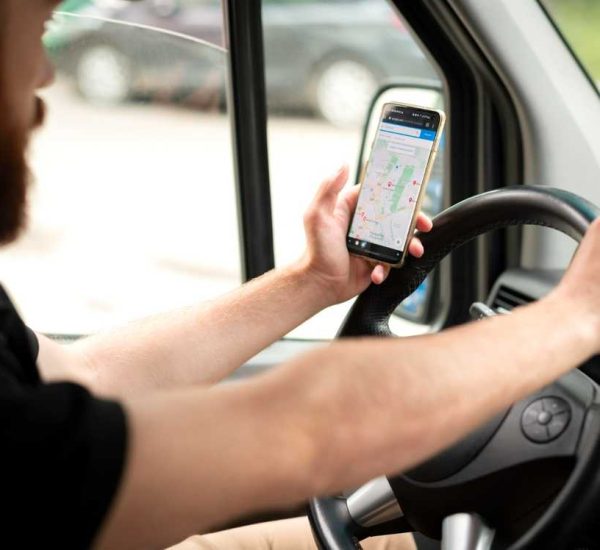
This is where real-time directions help most when used with common sense. The screen can suggest a faster road, but you still decide whether that road fits the moment. A narrow shortcut during school pickup may look efficient on a map and feel awful in real life. A slightly longer road with cleaner turns may protect your focus and your time better.
The counterintuitive truth is that the fastest driver is not always the one who changes routes most often. Constant switching creates fresh mistakes. The strongest driver changes once, at the right moment, with enough confidence to commit. That single choice can keep a busy drive from turning into a long argument with traffic.
Why Better Route Choices Reduce Stress Behind the Wheel
Time is only one part of the problem. Stress turns a normal delay into a bad decision machine. Once frustration takes over, people tailgate, miss signs, ignore better exits, and treat every slower driver like a personal enemy. Better route choices protect your attention before stress starts making choices for you.
Keeping mental load low during busy travel
A crowded road asks your brain to track too many things at once. You watch speed, distance, signs, pedestrians, merging cars, and the map voice talking over the sound of traffic. When your route feels uncertain, mental load rises fast. That is when even experienced drivers start making clumsy moves.
Simple planning lowers that load. Before leaving, checking the main route, one backup road, and the parking or drop-off point gives your brain a frame. You do not need a perfect script. You need enough structure that a sudden change does not feel like a crisis.
Busy travel becomes easier when you separate decisions by importance. Lane position matters now. A coffee stop can wait. A safer turn matters more than shaving ninety seconds. This ranking keeps your attention clean, and clean attention is one of the most underrated driving tools you have.
Avoiding panic moves at the last second
Last-second decisions cause many of the ugly moments on busy roads. A driver realizes too late that the exit is near, cuts across two lanes, and forces everyone else to react. Another driver misses a turn and brakes hard instead of accepting the mistake. These moments rarely come from ignorance. They come from delayed commitment.
Early navigation choices give you room to behave well. If you know two miles ahead that you need the right lane, you can move without drama. If you know a road is blocked before you reach it, you can adjust without making the driver behind you guess your next move.
A useful rule is simple: never let the map bully you into a dangerous correction. Missing one turn is cheaper than causing a conflict. Real-time directions can recalculate in seconds, but recovering from a risky move may cost far more than time.
How Navigation Decisions Shape Safety in High-Pressure Travel
Speed gets most of the attention, yet poor timing often creates the bigger threat. A rushed lane change, a sudden stop, or a confused turn at a crowded junction can turn a routine trip into a close call. Navigation decisions influence safety because they determine where your car is, what space you have, and how much warning others get before you move.
Choosing safer lanes before pressure builds
Lane choice is not only about reaching the next turn. It is about giving yourself enough space to think. On a busy highway, staying in a lane that matches your next move can prevent a scramble near the exit. In a city center, avoiding a lane packed with buses and delivery vans may lower the chance of sudden stops.
A practical example shows the point. Suppose you are driving to a hospital appointment during morning traffic. The app says the left lane is fastest for the next stretch, but your turn comes up soon on the right. Chasing the temporary speed gain may put you in a stressful cross-lane move later. Holding the correct lane early may feel slower for two minutes, but it protects the moment that matters.
Safety often looks boring from the outside. It looks like staying predictable, giving signals early, and accepting a small delay. That quiet discipline beats a clever shortcut that leaves everyone guessing.
Matching the route to the driver’s actual condition
Routes are not equal for every driver on every day. A narrow back road may suit someone rested and familiar with the area. The same road may be a poor choice for a tired parent, a visitor in a new city, or a driver managing loud passengers. Good travel judgment includes knowing your own state, not only reading the map.
Fatigue changes how you process signs and distance. Stress shortens patience. Hunger makes small annoyances feel bigger. These details sound personal, but they shape driving outcomes. A calmer main road with clear signs may beat a shorter route with sharp turns when your focus is already stretched.
This is one of the most ignored truths in route planning: the best road is not always the shortest road. The best road is the one you can handle well under the conditions you actually have. That honest self-check prevents more trouble than any clever app setting.
Building Smarter Habits for Fast, Confident Travel Choices
Good travel judgment is not born in the moment of pressure. It is built through small habits before pressure arrives. Drivers who handle busy travel well do not magically stay calm. They prepare their options, limit distractions, and treat changing conditions as normal instead of unfair.
Setting decision rules before you start driving
Clear rules remove debate when the road gets tense. You might decide before leaving that you will not take unlit shortcuts at night, that you will switch routes if a delay passes fifteen minutes, or that you will choose easier parking over the closest parking during event traffic. These rules sound simple, but they stop you from bargaining with bad conditions.
Decision rules also help families and work teams. A delivery driver may follow a rule that avoids school zones during dismissal hours when possible. A parent may choose a drop-off point that avoids a dangerous left turn, even if it adds a short walk. A traveler heading to a station may decide that arriving calm matters more than squeezing in one extra errand.
The unexpected benefit is emotional. Rules make travel feel less personal. A delay becomes a condition to manage, not an insult to fight. That shift keeps your thinking clean when the road starts testing your patience.
Using technology without handing it the wheel
Navigation tools are useful, but they do not know every human detail. They may not understand that a suggested alley feels unsafe, that a road is awkward for a larger vehicle, or that a “faster” route includes a turn you dislike. Treat the app as an adviser, not a commander.
Strong drivers compare digital guidance with what they see. If the map suggests a route through a crowded market street, your eyes may tell you the better choice is the wider road. If a detour looks shorter but adds six complicated turns, the simpler path may be the wiser one. Real-time directions should sharpen your judgment, not replace it.
A good habit is to glance ahead at major turns before moving. That tiny preview helps you avoid surprise instructions and gives you time to position the car calmly. The less the app surprises you, the more control you keep.
Busy roads will always change faster than drivers want them to. That is not a flaw in travel; it is the nature of movement when too many people need the same space at the same time. The goal is not to beat every delay or outsmart every signal. The goal is to make choices early enough that you stay calm, safe, and useful to everyone around you. Quick navigation decisions give you that edge when traffic tightens and patience thins. They turn travel from a series of reactions into a set of controlled moves. Start by checking one backup route before your next busy trip, then commit to safer timing instead of last-second correction. The road will still change, but you will not be chasing it from behind.
Frequently Asked Questions
Why do quick route choices matter during heavy traffic?
Heavy traffic leaves less room for hesitation. Early route choices help you avoid sudden lane changes, missed exits, and stressful corrections. They also give you more time to respond calmly when delays, closures, or crowded junctions appear ahead.
How can drivers make faster navigation decisions safely?
Safe decisions come from planning a backup route, watching traffic patterns, and moving into the correct lane early. The goal is not speed for its own sake. It is choosing soon enough that your next move feels calm and predictable.
What is the best way to avoid travel delays on busy roads?
Check conditions before leaving, watch for congestion signs while driving, and avoid waiting until a slowdown traps you. A slightly longer route with steady movement often beats a shorter road packed with stop-and-go traffic.
How do real-time directions help during crowded travel?
Real-time directions can warn you about slowdowns, closures, and faster alternatives. They work best when paired with driver judgment. A suggested route should still match your vehicle, comfort level, road conditions, and safety needs.
When should a driver ignore a navigation app?
Ignore the app when its instruction would require a risky lane change, an unsafe turn, or a route that feels unsuitable. Missing a turn is better than forcing a move that surprises other drivers or puts you under pressure.
Why do route choices affect driving stress?
Unclear routes increase mental load. When you know your next lane, exit, and backup option, you spend less energy reacting. That lower stress helps you notice signs, spacing, pedestrians, and traffic changes sooner.
How can busy travel become easier for families?
Families can reduce pressure by choosing simple routes, planning drop-off points early, and avoiding roads with tricky turns or crowded curbs. Clear plans also reduce passenger distractions, which helps the driver stay focused.
What habit improves navigation confidence the most?
Preview the route before leaving and identify one backup option. That small habit gives you a mental map, lowers surprise, and makes it easier to adjust without panic when traffic changes mid-trip.