
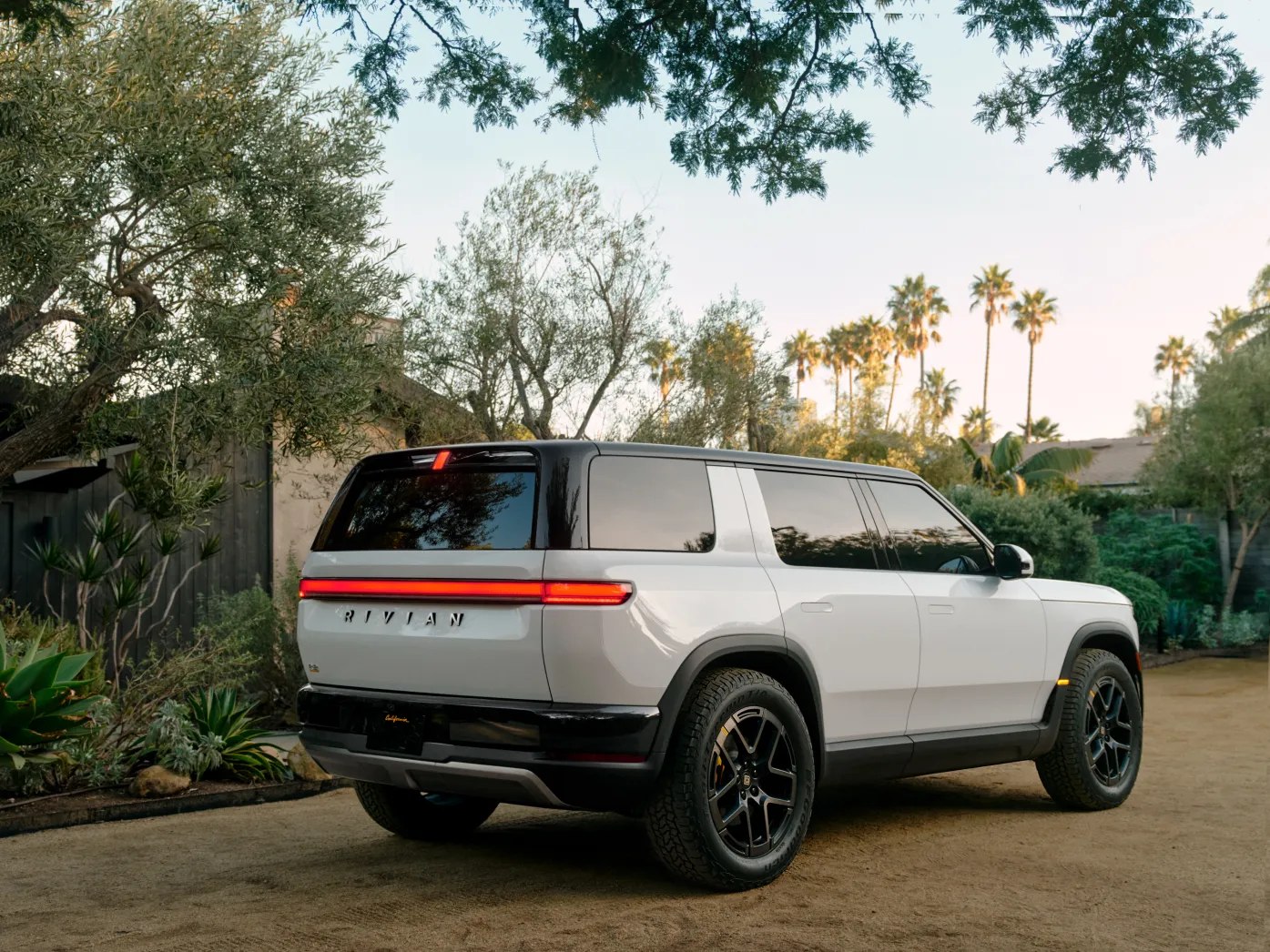
A three-row electric SUV can feel calm right up to the moment it refuses to move. For some early owners, rear motor failure is less about a dramatic bang and more about warnings, reduced power, awkward service timing, and the sinking feeling that a premium adventure vehicle has become a driveway puzzle. That is why American R1S owners, used-EV shoppers, and families comparing luxury electric SUVs need a grounded view, not panic. The rear drive unit sits inside a system that blends software, inverters, cooling, sensors, high-voltage control, and traction logic. A fault in one layer can look like a bad motor before a technician proves it. Good EV ownership reporting helps because the issue sits between driver experience and service evidence. You need to know what symptoms matter, what can wait, what belongs in a service ticket, and what questions to ask before a road trip, trade-in, or used purchase. That balance matters when the garage is also the family calendar.
Why Early R1S Drivetrain Complaints Feel Different From Gas-SUV Problems
The Rivian R1S does not fail like an old body-on-frame SUV with a clattering differential or a smoking transmission. Its trouble often arrives through screens, torque limits, and protective shutdowns. That makes owners feel trapped between two stories. One story says the vehicle is smart enough to protect itself. The other says you are one warning away from a flatbed. The harder part is emotional: the R1S can still look perfect in the driveway while the owner no longer trusts it for a 200-mile weekend.
Electric torque can hide trouble until the alert appears
A gas SUV usually gives you some theater. You may hear grinding under load, feel a harsh shift, smell burnt fluid, or notice a slow leak on the garage floor. An R1S can mask early trouble because electric motors produce torque with almost no drama. The vehicle may still feel strong around town even while a sensor, inverter, coolant path, or drive-unit component starts acting outside its normal range.
That silence can mislead you. A quiet cabin does not always mean a clean bill of health, and a loud alert does not always mean the rear drive unit has destroyed itself. The non-obvious part is that the vehicle may reduce output before you feel a harsh symptom. That feels annoying, yet it can protect expensive parts and keep a small fault from becoming roadside chaos.
A simple example: an owner leaving a grocery store in Phoenix after a hot afternoon may see a warning, notice limited acceleration, then regain normal behavior after a sleep cycle. That does not prove the motor is fine. It also does not prove a full drive unit replacement is coming. Heat, software checks, connector readings, and high-voltage safety logic all need sorting. The first clue may live in a log file, not in your ears.
Why a Rivian R1S drivetrain issue may not feel like a normal breakdown
A Rivian R1S drivetrain issue can feel vague because the car does so much thinking before the driver gets a clear answer. The R1S can shift torque between motors, manage traction in rain or snow, and change how much power reaches each axle. When one part reports a fault, the vehicle may choose a safe mode rather than let the system keep pushing.
That creates a strange owner experience. You may still have steering, brakes, climate control, and screens, but the vehicle refuses to deliver power the way it did yesterday. For a family headed from Denver to a ski weekend, that is not a minor glitch. It changes the whole trip. A gas SUV with a dying alternator or slipping transmission may limp along in a familiar way; an EV can feel fine one minute and locked down the next.
The quiet truth is that a drivetrain alert can be more useful than a noise. A clear timestamp, warning message, speed, state of charge, and driving condition can help service staff read logs and narrow the cause. Guessing from the driver seat usually wastes time. Evidence wins. That is why the smartest owner response is not fear, but recordkeeping.
How Rivian R1S Rear Motor Failure Shows Up Before a Tow
The most useful symptom is not always sound. It is the pattern. A one-time warning after a software update means something different from repeated limited-power events during steady highway driving. The best owner response is calm, careful documentation before the service visit, because early production R1S problems often need context before anyone can separate a true hardware fault from a control-system complaint.
Dashboard warnings matter more than odd noises
An R1S owner may first notice a motor fault warning, reduced performance message, all-wheel-drive limitation, or a request to service the vehicle soon. The exact wording can change with software, so do not chase one perfect phrase. Chase the behavior around it. Did the warning appear during acceleration, after fast charging, at startup, after rain, or during a long climb?
Odd sounds still deserve attention. A grinding, scraping, pulsing vibration, or new whine from the rear of the SUV should go into the service note. Yet many EV drive complaints start with warning logic before the human ear catches anything. This is backward from the way many drivers learned to judge cars. A screen message may carry more value than a driveway inspection.
There is also a trap here. Tire noise, wheel-bearing noise, suspension clunks, and rear cargo-area rattles can fool people into blaming the motor. A heavy electric SUV with big wheels and aggressive tires can produce sounds that travel through the cabin. The fix may have nothing to do with the rear drive unit. Owners who change tires, rotate wheels, or add roof gear should note that timing too, because new noise after a change can send diagnosis down the wrong road.
What owners should record before the service ticket
Record the boring details. They are the ones that help. Take a photo of the warning, note the odometer, battery state of charge, drive mode, weather, road speed, and whether you had recently charged. Add whether the SUV still moved, lost power, limited speed, or needed a tow. A technician can pair your notes with vehicle logs and see a pattern faster.
For a U.S. owner who lives far from a Rivian Service Center, this matters even more. A vague request like “motor feels weird” may lead to a basic inspection and a return visit. A tight timeline gives the service team a better shot at approving the right repair on the first visit. It also protects you if the vehicle acts normal by the time it reaches the bay, which happens often enough to drive owners mad.
This is where early production R1S problems can frustrate loyal owners. The vehicle may need remote review, parts approval, and service-bay time. That does not mean the brand ignores the issue. It means a modern EV diagnosis often moves through software evidence before a technician touches a wrench. The owner who brings five clean facts usually gets farther than the owner who brings five forum theories. If towing enters the story, save the receipt and note who ordered it. That detail can matter for reimbursement, trip interruption help, or later warranty questions.
Warranty, Service, and Diagnosis for Early Production Units
The warranty conversation shapes the whole owner experience. Many early R1S units still sit inside battery and drive-system coverage, but coverage terms vary by model year, motor layout, battery pack, mileage, and vehicle history. That is why your first task is not to argue online. Your first task is to confirm your VIN, warranty status, and open campaigns through Rivian and the official NHTSA recall lookup. Do this before a used purchase too, because a clean test drive cannot tell you whether a campaign remains open.
Why the first service answer may not be the final answer
Service teams do not always replace a drive unit after the first complaint. That can feel dismissive when you have a $70,000-plus SUV sitting at home with a warning on the screen. Still, the first answer may be a software update, calibration, connector inspection, coolant check, inverter review, or log analysis. The motor is part of a chain.
That chain matters because replacing the wrong large part helps nobody. A rear drive unit swap takes parts, trained labor, transport planning, and bay space. If the cause sits in wiring, power electronics, or a control module, a replacement may only hide the fault for a while. The better repair is the one that survives your next highway trip. This is why “they didn’t replace it” and “they didn’t fix it” are not always the same statement.
A mild counterpoint: owners should not accept endless resets either. If the same warning returns, ask for the case notes, fault history, and next diagnostic step. You are not being difficult. You are making the vehicle history clearer. Ask whether the fault appeared on the rear drive unit, inverter, thermal system, high-voltage distribution, or a related communication path. Plain questions can expose whether the process has moved forward.
Electric SUV motor repair is more about evidence than haggling
Electric SUV motor repair sounds like a parts-counter problem, but it is closer to a case file. The strongest owner has screenshots, dates, app messages, tow records, and a short description of what happened. Keep the tone plain. Service writers can work faster with facts than with a long emotional story, even when the frustration is fair.
Use internal resources too. A buyer or owner reading an EV drivetrain warranty guide can understand why the drive system and the basic vehicle warranty may not end at the same mileage. A separate used electric SUV inspection checklist can help shoppers ask for service records before they fall in love with a launch-edition interior.
The non-obvious money point is simple: a covered repair can still cost time. You may need towing, alternate transport, a rescheduled trip, or days without the SUV. Owners who live in Montana, rural Texas, or northern Maine may feel that pain more than an owner ten miles from a service center. Warranty coverage matters, but service access matters too. For some households, the lost weekend hurts more than the invoice they never receive.
There is another practical layer. A repair that looks simple on paper may depend on part supply, shop load, and approval steps. That is why you should ask for the expected path, not a promise. “What happens next if the warning returns?” is a better question than “Can you guarantee this is fixed?” The first question helps service plan; the second usually produces careful language and no useful detail.
How to Buy, Inspect, or Keep an R1S Without Overreacting
Fear is a poor inspection tool. So is brand loyalty. The smart middle path is to treat an early R1S like a high-tech first-generation vehicle with huge strengths and a few areas that deserve paperwork. That mindset helps owners enjoy the SUV while still protecting themselves from a surprise service headache.
Used R1S shoppers should read the service history like a map
A used R1S can be a strong buy if the history makes sense. Ask for service records, recall completion proof, tire history, tow events, and any drive-unit notes. Look for repeated visits with similar wording. One isolated warning that Rivian checked and closed may not scare you. Three visits for the same rear-axle power complaint should slow the deal down.
During a test drive, do not hammer the throttle once and call it good. Drive at neighborhood speed, merge onto a highway, coast, park, restart, and check for warnings after the vehicle wakes up again. Listen with the climate system low. Feel for vibration under light acceleration, not only full power. Check whether the seller can show software status, service appointment history, and completed recall items. If the SUV came from another state, ask where service occurred, because distance from a service center can shape how quickly small concerns became documented repairs.
This is where the phrase early production R1S problems needs care. Early production does not mean doomed. It means you should reward clean records and discount uncertainty. A seller with organized service paperwork gives you more value than a seller who says, “It has always been fine,” then cannot prove anything. That paperwork may matter more than a fancy wrap, ceramic coating, or a spotless cargo mat.
Daily owners should separate software noise from mechanical risk
Daily owners need a repeatable routine, not constant anxiety. Keep software current, read service messages, check tire wear, and pay attention when a warning repeats under the same condition. A single message that clears after a restart may go into your notes. A message that limits motion, returns, or appears on the highway deserves service contact. Avoid the habit of clearing a warning and moving on without a screenshot.
A Rivian R1S drivetrain issue also deserves context from how you use the vehicle. Towing, mountain driving, repeated fast charging, extreme heat, and off-road impacts can stress systems in different ways. That does not mean owners caused the problem. It means the service note should include the use case. A warning after towing a camper through the Rockies tells a different story than a warning during a school pickup on flat roads.
Here is the quiet insight many owners miss: the best long-term R1S ownership habit is not babying the SUV. It is noticing patterns early. A vehicle designed for adventure should not make you afraid of a dirt road or a long interstate run. It should make you precise when something changes. Precision keeps a rare event from becoming a rumor, and it keeps a real fault from getting brushed aside. That habit is boring, which is why it works so well.
Conclusion
The R1S has enough power, weight, software, and high-voltage hardware that old car instincts do not always apply. A warning can matter more than a noise, and a repair decision may depend on logs you never see. That can feel strange for owners who grew up diagnosing cars by ear.
Still, rear motor failure should not become a blanket label for every rear-end sound, torque limit, or drivetrain warning. Treat it as one possible outcome inside a larger diagnostic path. Document symptoms, check recalls by VIN, confirm warranty coverage, and push for a clear next step when warnings repeat. For used buyers, paperwork matters as much as paint condition.
The best stance is firm, not fearful. Early R1S ownership rewards drivers who keep records, ask direct questions, and avoid guessing. If your SUV shows repeat drive warnings or loses power, schedule service and bring evidence. Keep the conversation short, factual, and tied to dates. A rushed answer helps no one. The road trip can wait; the right diagnosis should not.
Frequently Asked Questions
What are the first signs of a rear drive unit problem in a Rivian R1S?
Warning messages, reduced power, all-wheel-drive limits, repeat motor fault alerts, or sudden refusal to shift into drive can point toward a drive-system concern. Noise alone is weaker evidence because tires, bearings, cargo trim, and suspension parts can mimic rear-axle trouble.
Is an early Rivian R1S unsafe to drive after a motor warning?
Treat any power-loss or limited-drive warning with caution. If the SUV still drives normally, move to a safe place and contact Rivian Service. If power drops, speed limits appear, or the message returns after restart, avoid highway driving until service reviews it.
Does Rivian replace the whole rear drive unit for this issue?
Sometimes a large assembly may need replacement, but service does not start there every time. Technicians may review logs, software, wiring, cooling, inverter behavior, and related control faults before approving a major repair. The cause decides the fix.
How can I check whether my R1S has an open recall?
Use your VIN on Rivian’s recall page or the NHTSA recall lookup. Do not rely only on owner forums, seller claims, or old screenshots. Recall status can change, and a completed campaign should appear in the vehicle’s service history.
Should I buy a used early-production Rivian R1S?
Yes, if the price, warranty status, service history, and inspection results make sense. A clean record carries weight. Repeated drive-system visits, missing paperwork, unresolved warnings, or a seller who avoids VIN checks should make you pause.
What should I write in a Rivian service request?
Include the exact warning text, date, odometer, battery level, drive mode, weather, speed, charging history, and whether the SUV lost power. Attach photos or screenshots. Clear notes help service staff match your experience with vehicle logs.
Can a software update fix a drive-system warning?
A software update can fix some warnings, calibrations, and control issues, but it cannot repair damaged hardware. The key test is whether the message returns under similar conditions. Repeat faults need deeper service review, not endless restarts.
How do I protect my warranty claim if the warning comes back?
Save screenshots, app messages, service invoices, tow records, and dates. Report repeat symptoms soon, and ask service to document the fault history. Good records make the timeline clear if the repair needs approval or the SUV changes owners later.