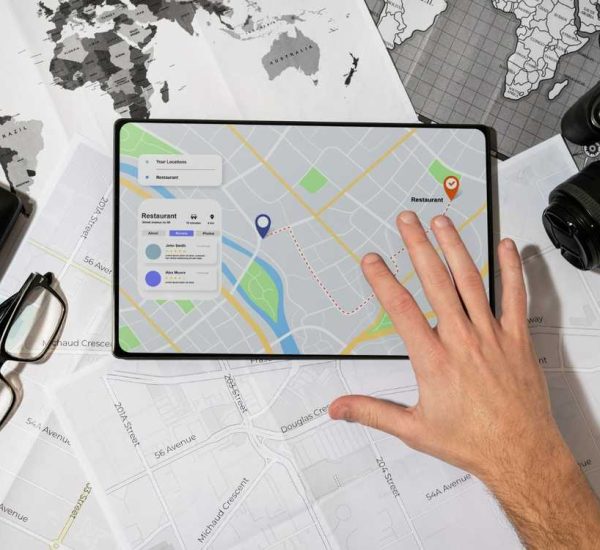
A good trip can fall apart in one missed turn, one closed lane, or one storm cell that arrives earlier than expected. Travel is no longer a fixed plan you print in the morning and hope will survive the day. Real-time updates give you the one thing old travel habits never could: a living sense of what is happening while you are already moving. That matters whether you are driving to work, catching a train, managing deliveries, or planning a weekend route with family in the back seat. Good information does not remove every delay, but it changes how quickly you react when the road stops behaving. Even brands that depend on communication, planning, and digital visibility understand the same lesson: timing changes outcomes. Better travel decisions come from reading the present, not defending the plan you made an hour ago. When you treat live information as part of the journey instead of a side note, travel becomes less about guessing and more about adjusting with calm intent.
Why Real-Time Updates Turn Guesswork Into Better Travel Decisions
Static travel plans have one hidden flaw: they assume the world will behave. Roads do not. A lane closure can turn a ten-minute stretch into a slow crawl, a platform change can make a calm commute feel rushed, and a sudden downpour can make the fastest road the worst choice. Real-time updates matter because they replace stale assumptions with fresh signals, giving you a sharper view of what is happening before small problems become expensive ones.
How travel decisions change when the route starts talking back
Good navigation used to mean knowing where to go. Now it means knowing when the original route no longer deserves your loyalty. That shift sounds small, but it changes the whole psychology of movement. You stop treating the route like a promise and start treating it like a working draft.
Live traffic alerts help because they interrupt false confidence. A driver may feel locked into a familiar road because it usually works, but live traffic alerts can show that the usual road has become the slow road. The counterintuitive part is that the smartest choice may feel wrong at first. Taking a longer-looking side road can save time because the map sees a jam you cannot yet see from the windshield.
Travel decisions also improve when updates reduce emotional driving. People make poor choices when they feel late, boxed in, or surprised. A timely warning gives the brain a few extra minutes to shift from reaction to judgment, and that tiny gap often separates a calm detour from a reckless lane change.
Why old habits fail when conditions shift mid-trip
Familiarity can be useful, but it becomes a trap when it turns into stubbornness. The route you know best may carry construction today, heavier school traffic tomorrow, and flood risk next week. Habit notices patterns from the past; live systems notice pressure in the present.
Route planning becomes stronger when it stays flexible after departure. Many people think route planning ends before the engine starts, but that view belongs to a slower world. A better approach treats the first route as a starting point and lets fresh information refine the path as conditions change.
This does not mean you should obey every alert without thought. Some updates create noise, especially in dense cities where every minor slowdown looks dramatic on a screen. The skill is knowing when a warning changes the trip enough to act. A five-minute delay may not matter; a closure near a bridge, airport, or school zone can change everything.
The Human Side of Faster Travel Awareness
A trip is not only a line on a map. It carries pressure, mood, money, safety, and time that belongs to other people. Parents think about school pickup. Commuters think about meetings. Delivery teams think about windows they cannot miss. Weather updates and traffic signals matter because they protect more than the schedule; they protect the mental space needed to move well.
How weather updates change risk before danger feels obvious
Weather rarely becomes dangerous all at once. It builds in small clues: darker clouds, stronger wind, standing water near the curb, a haze that cuts sight distance. By the time the danger feels obvious, the best decision window may already be gone.
Weather updates give travelers a head start. A driver heading toward heavy rain can slow earlier, choose a road with better drainage, or stop before the worst cell passes through. A family leaving for a long trip can delay by thirty minutes and avoid the exact window where visibility drops. That is not fear. That is respect for timing.
The strange truth is that faster information often encourages slower movement. When you know bad weather is ahead, you do not need to race it. You can adjust before adrenaline takes over, and that makes the whole trip feel less like a fight against the sky.
Why calm choices depend on earlier warnings
Stress shrinks attention. A delayed traveler starts scanning for shortcuts, watching the clock, checking mirrors, and worrying about the next consequence all at once. That scattered state invites mistakes because the brain starts chasing relief instead of reading the road.
Live traffic alerts reduce that pressure by giving people something solid to act on. Instead of wondering why cars have stopped, you learn there is a crash two miles ahead. Instead of guessing whether a detour is worth it, you see the delay growing. That knowledge does not make the problem pleasant, but it makes it clearer.
Clarity is underrated. A traveler who understands the cause of a delay makes fewer desperate moves. They can call ahead, change the pickup point, switch transit lines, or choose a safer stop. The road may still be crowded, but the person moving through it becomes steadier.
How Dynamic Information Improves Time, Cost, and Energy
Better travel is not always about arriving early. Often, it is about avoiding waste: wasted fuel, wasted patience, wasted work hours, wasted battery, wasted focus. Fresh information helps you spend less of yourself on the parts of travel that should not drain you. That is where route planning becomes a practical habit instead of a nice idea.
How small timing changes create large travel gains
A five-minute decision can reshape a one-hour trip. Leaving before a congestion wave, pausing until a crash clears, or choosing a road with fewer stops can protect time in ways that feel almost invisible afterward. The win does not announce itself. It appears as the delay you never had.
Route planning works best when it accounts for timing, not distance alone. The shorter road can burn more fuel if it forces constant braking. The longer bypass can save energy if traffic moves evenly. For delivery drivers, ride-share operators, and daily commuters, those differences add up across weeks, not moments.
Here is the part many travelers miss: efficiency is often quiet. A well-timed trip may feel ordinary because nothing dramatic happened. No panic, no hard detour, no frantic message saying you are late. That ordinary feeling is the reward.
Why better information protects more than minutes
Travel costs hide in small frictions. Stop-and-go traffic wears on the driver. Missed connections create new expenses. Poor timing can turn a simple airport trip into parking fees, ride changes, and stress that lingers long after arrival.
Weather updates help travelers avoid those hidden costs by changing the decision before the damage arrives. A driver who avoids a flooded road protects the car. A traveler who checks conditions before leaving for a station avoids standing outside in harsh weather with luggage and no backup plan. These are not dramatic victories, but they are the kind people appreciate once they have been burned before.
The same idea applies to energy. People often arrive tired not because the trip was long, but because the trip kept surprising them. Good updates reduce surprise. They do not make travel perfect, but they remove enough uncertainty to help you arrive with a clearer head.
Building Smarter Travel Habits Around Live Information
Information only helps when you build habits around it. Checking an app once and ignoring every change is not much better than guessing. The stronger habit is to create a loose plan, watch the right signals, and stay willing to change course without turning every alert into a crisis. Real-time updates work best when they support judgment, not replace it.
How to decide which updates deserve action
Not every alert earns a response. Some slowdowns clear before you reach them. Some detours save two minutes while adding six turns and more stress. A smart traveler learns to separate meaningful change from background noise.
Better travel decisions depend on three questions: does the update affect safety, timing, or commitment? Safety comes first. Heavy rain, road hazards, closed lanes, and low visibility deserve attention even if they do not add much delay. Timing comes next, especially when a trip connects to a flight, meeting, delivery slot, or school pickup. Commitment matters when turning back or changing routes becomes harder later.
A simple rule helps: act early on safety, act selectively on time, and ignore noise that does not change the outcome. That rule keeps you from becoming either reckless or overmanaged by your screen.
Why the best travelers stay flexible without becoming distracted
Good travel habits require boundaries. A phone full of alerts can become its own hazard if you keep looking down while moving. The answer is not to reject information; the answer is to structure it. Set the route before leaving, enable voice guidance, let passengers check updates when possible, and pull over before making a major change.
Travel decisions improve when the traveler stays in charge. The app can suggest, warn, and reroute, but it cannot know every human factor. It does not know your comfort on narrow roads, whether children in the car need a break, or whether a late arrival is better than a risky shortcut. Judgment still belongs to you.
That balance is the future of travel. Live systems will keep getting faster, but the winning habit will remain deeply human: notice what changed, decide what matters, and move with enough patience to stay safe.
Conclusion
The strongest travel plan is not the one that looks perfect before you leave. It is the one that can bend without breaking once the day starts pushing back. Roads close, weather moves, traffic thickens, transit shifts, and people still need to arrive with their time, safety, and patience intact. Real-time updates give you a better way to meet that reality because they turn travel from a fixed bet into an active choice.
The next step is simple: stop treating live information as background noise. Check conditions before you leave, listen for changes while you move, and decide early when a new route, slower pace, or delayed departure makes more sense. Better travel is not about chasing perfect speed; it is about making the next right choice before stress makes it for you.
Frequently Asked Questions
How do real-time traffic updates help drivers make better travel choices?
They show delays, crashes, closures, and congestion while the trip is still happening. That helps drivers change routes earlier, avoid risky pressure, and plan arrivals with more control. The biggest benefit is not speed alone; it is reducing surprise before it turns into stress.
Why are live traffic alerts useful during daily commutes?
They help commuters respond to changing road conditions before they are trapped in a delay. A familiar route can fail without warning, especially during rush hour. Live alerts give drivers a chance to leave earlier, reroute, or notify others before lateness becomes unavoidable.
How do weather updates improve road safety during travel?
They warn travelers about rain, fog, wind, snow, heat, or flooding before conditions become harder to manage. Drivers can slow down, delay departure, choose safer roads, or prepare the vehicle properly. Early weather awareness supports calmer decisions when visibility and traction change.
What makes route planning better with live data?
Live data turns a route from a fixed guess into an adjustable plan. It accounts for current traffic, incidents, closures, and travel speed instead of relying only on distance. That makes the chosen path more useful because it reflects what is happening now.
Can real-time updates reduce travel costs?
They can reduce fuel waste, missed appointments, parking changes, ride adjustments, and vehicle strain caused by stop-and-go traffic or poor route choices. The savings may look small per trip, but frequent travelers often feel the difference over time.
How often should travelers check updates before a trip?
A quick check before leaving is enough for simple local trips, but longer journeys deserve another check near departure time. For high-stakes travel, such as airport runs or business appointments, checking conditions earlier helps you build a safer time buffer.
Are real-time travel apps always accurate?
They are helpful, but not perfect. Data can lag, local roads can change fast, and suggested detours may not fit your comfort or vehicle. Treat app guidance as strong advice, then apply common sense, road signs, and safety judgment before changing course.
What is the best habit for using travel updates safely?
Set your route before moving, use voice guidance, and avoid handling your phone while driving. Pull over before reviewing major changes. The safest habit is simple: let updates inform the trip without letting the screen steal your attention.