

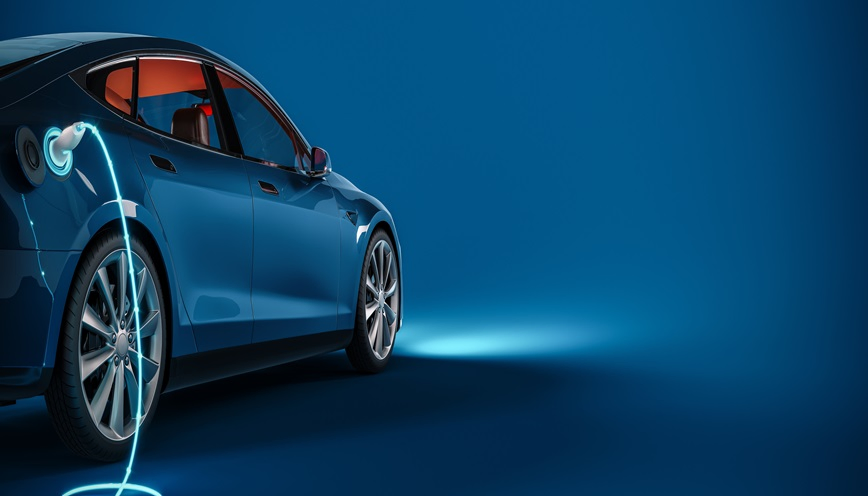
The automotive industry has experienced remarkable changes over the past decade, and one of the biggest drivers of this transformation is software. While engines, transmissions, and suspension systems remain essential, modern vehicles now rely heavily on advanced software to deliver better performance, improved safety, and greater convenience. Cars have evolved into intelligent machines capable of processing enormous amounts of data in real time, making every journey more efficient and enjoyable.
From navigation and entertainment to driver assistance and predictive maintenance, software has become the foundation of today’s driving experience. As technology continues to advance, software updates and digital features are redefining what drivers expect from their vehicles.
Smarter Navigation And Connectivity With Bhumi Jankari MP
Modern car software has significantly improved navigation systems. Unlike traditional GPS units that relied on static maps, today’s vehicles use cloud based navigation that provides live traffic updates, alternate route suggestions, weather alerts, and estimated arrival times based on current road conditions.
Drivers can also connect their smartphones through wireless integration, allowing them to access contacts, music, messaging, and voice assistants without taking their hands off the wheel. These connected experiences make driving more convenient while reducing distractions.
Just as digital platforms such as bhumi jankari MP simplify access to important information online, intelligent vehicle software makes essential driving information instantly available whenever it is needed.
Enhanced Safety Features Through Intelligent Systems And Salary Slip JKPAYSYS
Safety has become one of the greatest strengths of automotive software. Modern vehicles constantly monitor their surroundings using cameras, radar, ultrasonic sensors, and artificial intelligence. These technologies help prevent accidents before they happen.
Features commonly powered by software include:
- Automatic Emergency Braking.
- Lane Keeping Assist.
- Adaptive Cruise Control.
- Blind Spot Monitoring.
- Driver Fatigue Detection.
- Traffic Sign Recognition.
Instead of reacting only after a driver makes a mistake, these systems continuously analyze road conditions and provide timely assistance.
Much like digital platforms such as salary slip jkpaysys improve efficiency through technology, automotive software enhances driving safety by processing thousands of calculations every second.
Over the Air Updates Inspired By Kaveri Online EC Download Pdf
One of the most revolutionary developments in modern automobiles is the ability to receive Over the Air updates. Previously, vehicle owners had to visit dealerships whenever software improvements became available. Today, manufacturers can remotely deliver updates that improve performance, add new features, fix security vulnerabilities, and optimize battery efficiency.
These updates ensure that vehicles continue improving long after they leave the showroom. Drivers can wake up to discover that their vehicle has gained new capabilities overnight without requiring any mechanical modifications.
This digital convenience reflects the growing trend of online services, similar to platforms such as kaveri online ec download pdf, where information and updates are made available electronically without unnecessary paperwork.
Personalized Driving Experience With PM svanidhi
Software allows modern vehicles to adapt to individual drivers in ways that were impossible only a few years ago. Multiple driver profiles can store preferences for seat position, steering sensitivity, climate settings, ambient lighting, mirror adjustments, and infotainment options.
Artificial intelligence also learns driving habits over time. The system can recommend fuel efficient routes, adjust battery usage in electric vehicles, and even predict destinations based on regular travel patterns.
Like digital initiatives such as pm svanidhi, which focus on improving accessibility through technology, automotive software personalizes the driving experience by making vehicles smarter and more responsive to individual needs.
Better Vehicle Performance Through Software Optimization
Modern engines and electric motors depend heavily on software to maximize efficiency. Instead of relying solely on mechanical adjustments, software continuously monitors fuel injection, battery temperature, engine timing, transmission behavior, and power delivery.
This real time optimization produces several benefits:
- Improved fuel economy.
- Smoother acceleration.
- Reduced emissions.
- Longer battery life.
- Better engine reliability.
- Enhanced driving comfort.
Even high performance sports cars now rely on advanced software algorithms to balance power, traction, and stability under different driving conditions.
Predictive Maintenance Reduces Unexpected Breakdowns
Another significant advantage of intelligent software is predictive maintenance. Rather than waiting for components to fail, vehicles constantly monitor the health of important systems.
Sensors detect abnormal temperatures, unusual vibrations, declining battery performance, brake wear, tire pressure variations, and fluid conditions. Drivers receive notifications before problems become serious, allowing maintenance to be scheduled at the right time.
This proactive approach reduces repair costs, minimizes unexpected breakdowns, and improves overall vehicle reliability.
Preparing For Autonomous Driving
The future of transportation depends heavily on software. Autonomous driving technologies require millions of software calculations every second to identify pedestrians, recognize traffic signs, detect obstacles, monitor nearby vehicles, and make safe driving decisions.
Although fully autonomous vehicles are still developing, many software powered features already assist drivers every day. Parking assistance, highway driving support, traffic jam assistance, and automated lane changes represent important steps toward greater vehicle autonomy.
As artificial intelligence becomes more advanced, software will continue expanding the capabilities of future automobiles while maintaining high safety standards.
Conclusion
Modern car software has transformed vehicles from purely mechanical machines into intelligent transportation systems. It improves navigation, enhances safety, personalizes the driving experience, optimizes performance, enables remote updates, and supports predictive maintenance. These innovations continue to reshape how people interact with their vehicles, making driving safer, smarter, and more enjoyable than ever before.
As software development accelerates alongside advances in artificial intelligence, connectivity, and automation, tomorrow’s vehicles will become even more capable. The driving experience will no longer be defined solely by horsepower or design but by the intelligent software working behind the scenes to deliver greater comfort, efficiency, and confidence on every journey.